
You'll experience pristine forests, alpine meadows, rugged mountains and spectacular lakes here in this northern National Park. This place is a hikers paradise with over 700 miles of trails to explore for wilderness and solitude. You can also relive the days of old through historic chalets, lodges, and the world-renowned "Going to the Sun" road.
Current Park Alerts
Live from the National Park Service · Official park site →
Plan Your Visit
Hours & Season
Glacier National Park is open 24 hours a day 365 days of the year. An entrance fee is required, even when entrance stations are not staffed. Instructions are available at each entrance for self-payment.
Entrance Fees
- $35 – Entrance - Private Vehicle
- $20 – Entrance - Per Person
- $30 – Entrance - Motorcycle
- $100 – Nonresident
Weather
Glacier's weather is highly variable and can be extreme. Expect warm, sunny summer days but be ready for any type of conditions. In the winter, temperatures can fall well below freezing and typically the park receives considerable amounts of snow. Glacier's geography, straddling the Continental Divide, sets the stage for clashes of two very different climates. Warm, wet Pacific air moves in from the west, and cold, dry Arctic air flows from the northeast. They meet at the Divide.
Things to Do
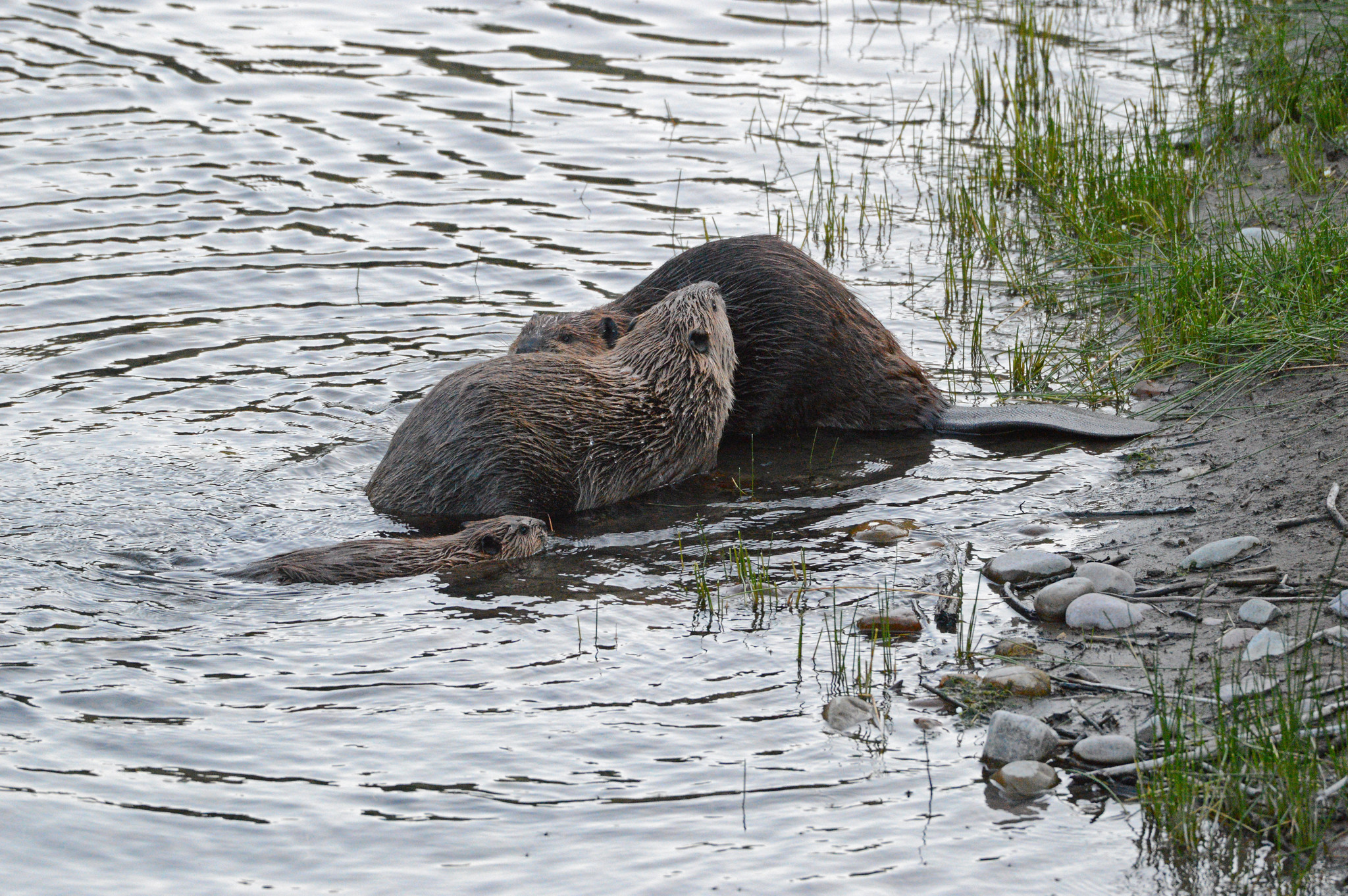
Beavers
The North American beaver is the second largest rodent in the world behind the Capybara of South America. Found throughout the U.S. and Canada, these semiaquatic ecosystem engineers constuct dams and lodges that affect the hydrology and ecology of their surroundings. As a keystone species, their presence in riparian habitats affects all neighboring animal and plant life.
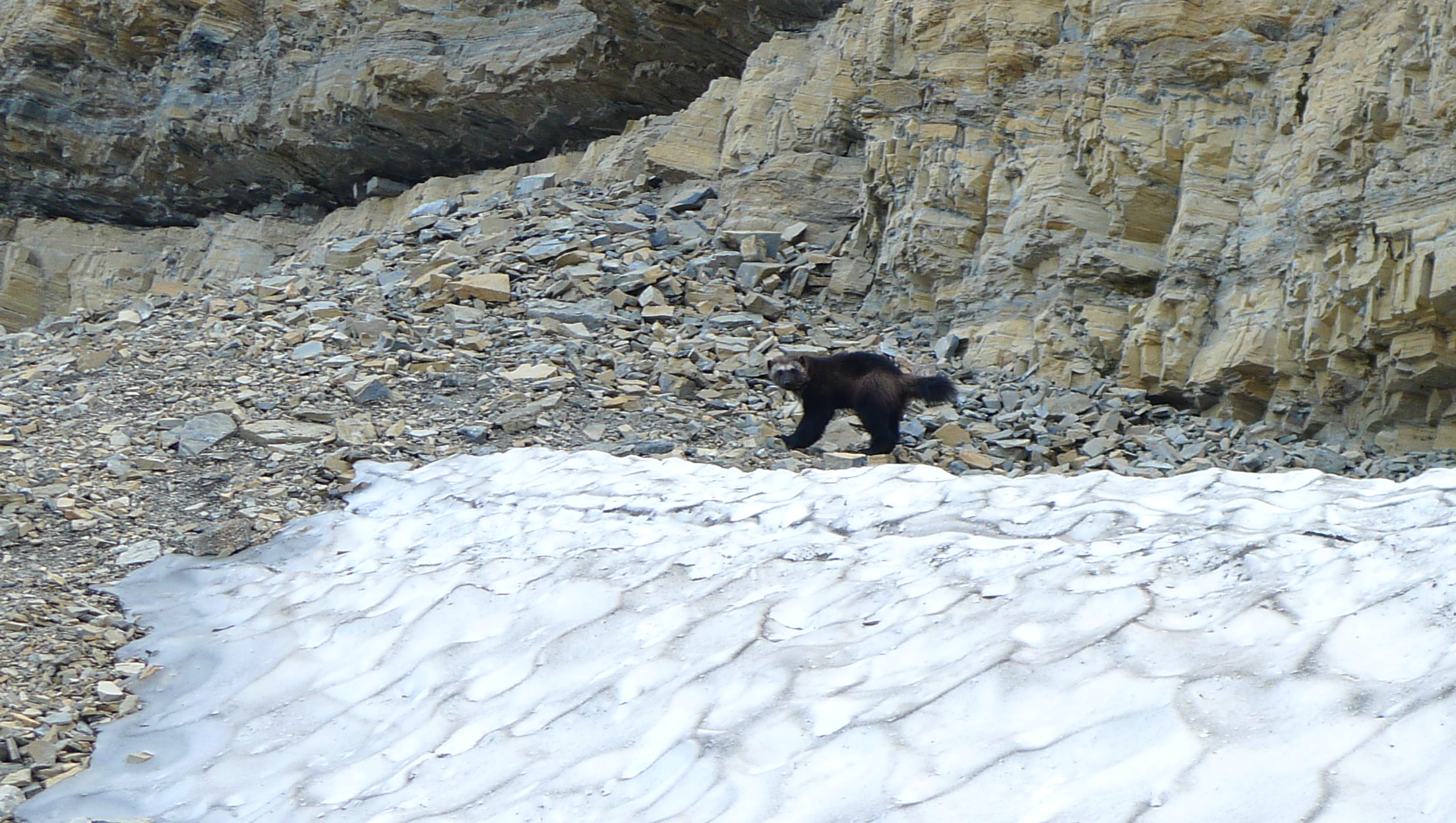
Wolverines
A mid-sized carnivore in the weasel family, the wolverine is active throughout the year in cold, snowy environments to which it is well-adapted. Wolverines are rarely seen and inhabit remote terrain. They are also known as one of the rarest and most elusive carnivores on the planet.
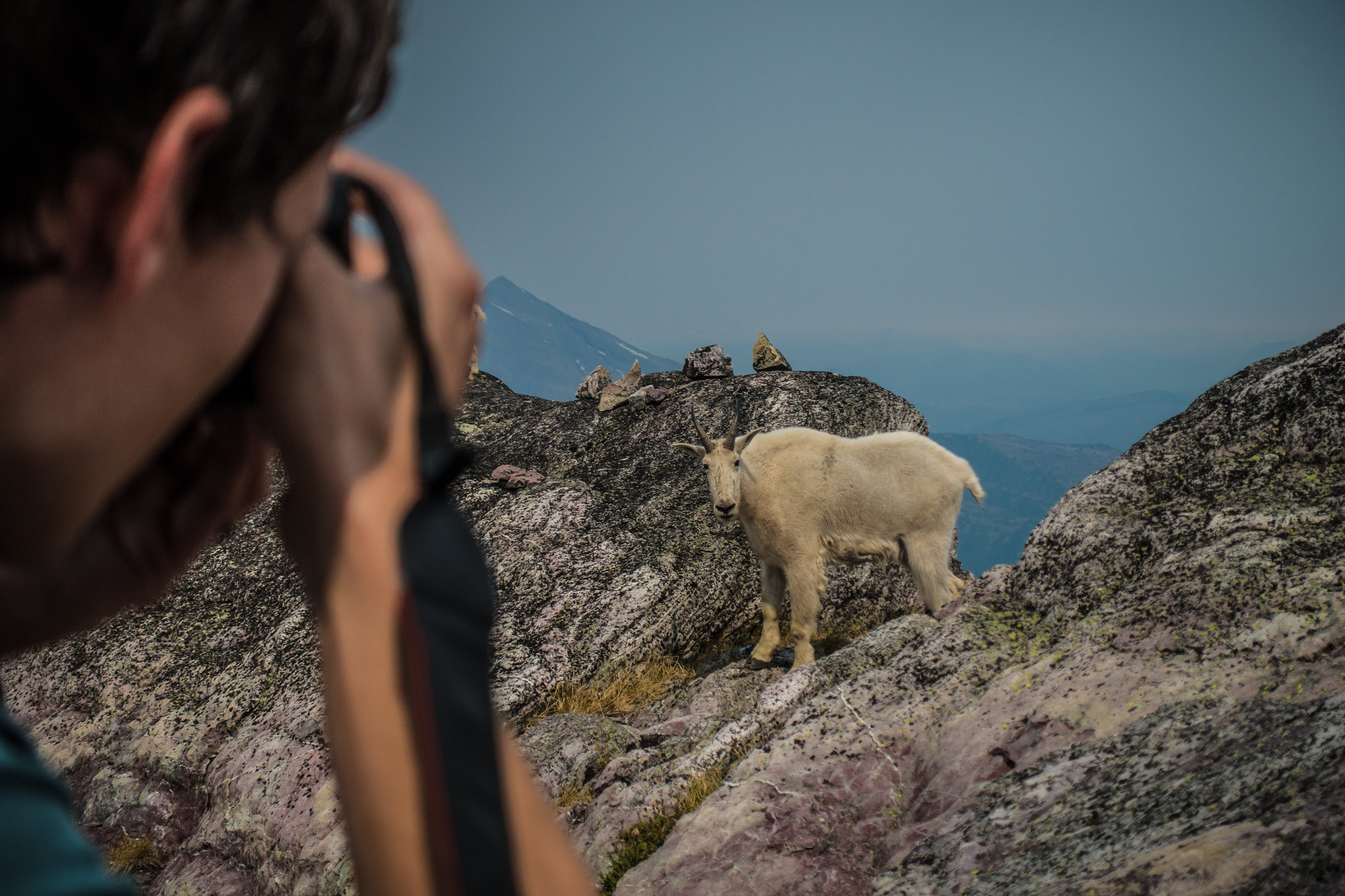
Mountain Goats
The mountain goat is one of the park's most inconic creatures. It is the only living member of its genus and is more closely related to caprines (the chamois of Europe and the gorals and serows of Asia) than to domesticated goats.

Listen to Glacier's Podcast
Rangers recommend Glacier's podcast, Headwaters: a podcast about how Glacier is connected to everything else!
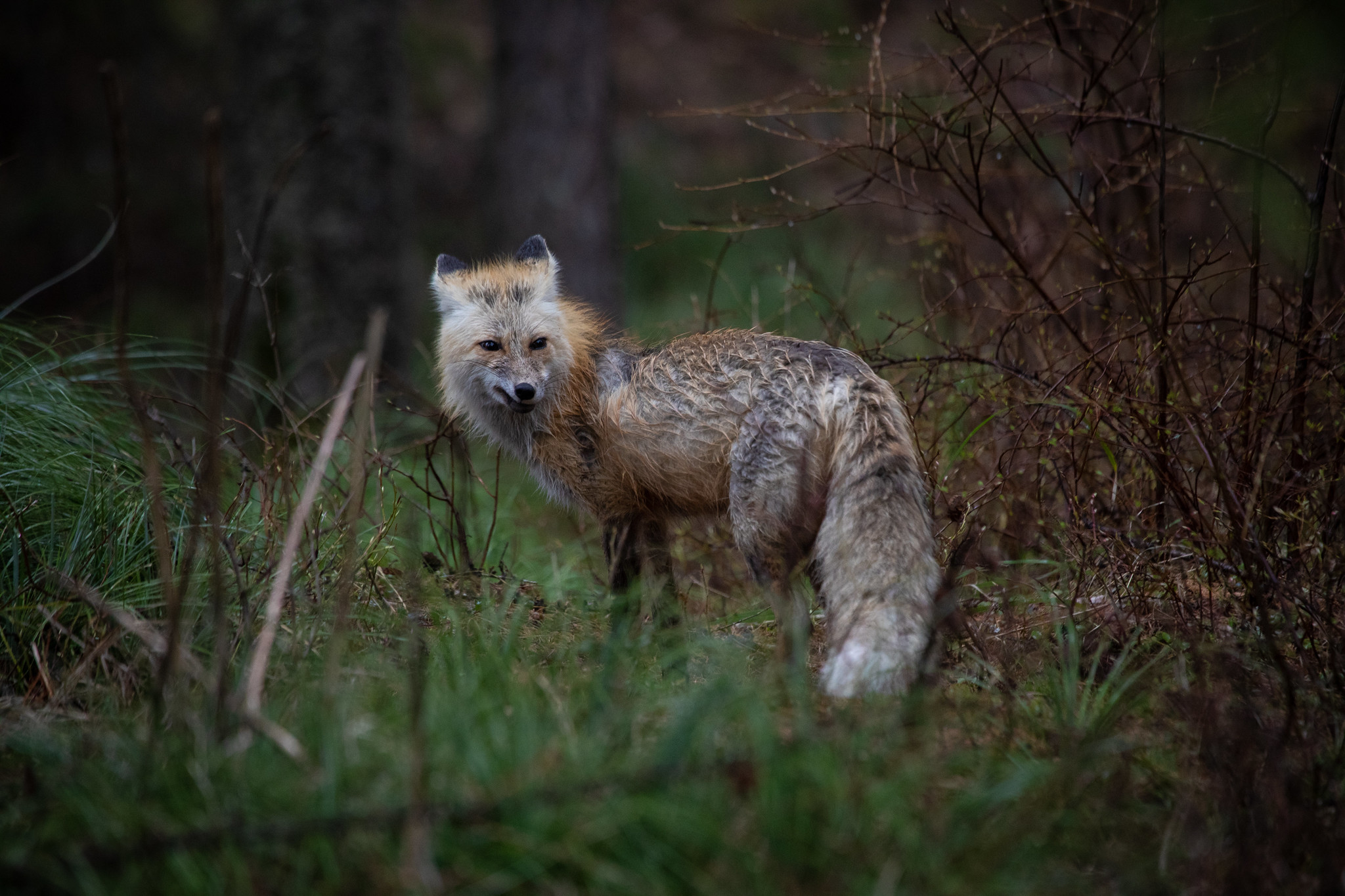
Red Foxes
Red foxes are found throughout the northern hemisphere. In Glacier, they are adapted to a wide range of habitats, from open grasslands to dense forests. Most abundant in riparian areas and along the edges of forests, they are the smallest of the canids found in the park. Red foxes occur in several color phases, but they usually have reddish-yellow coats that are somewhat darker on the back and shoulders, black "socks" on their lower legs, and a white-tipped tail.
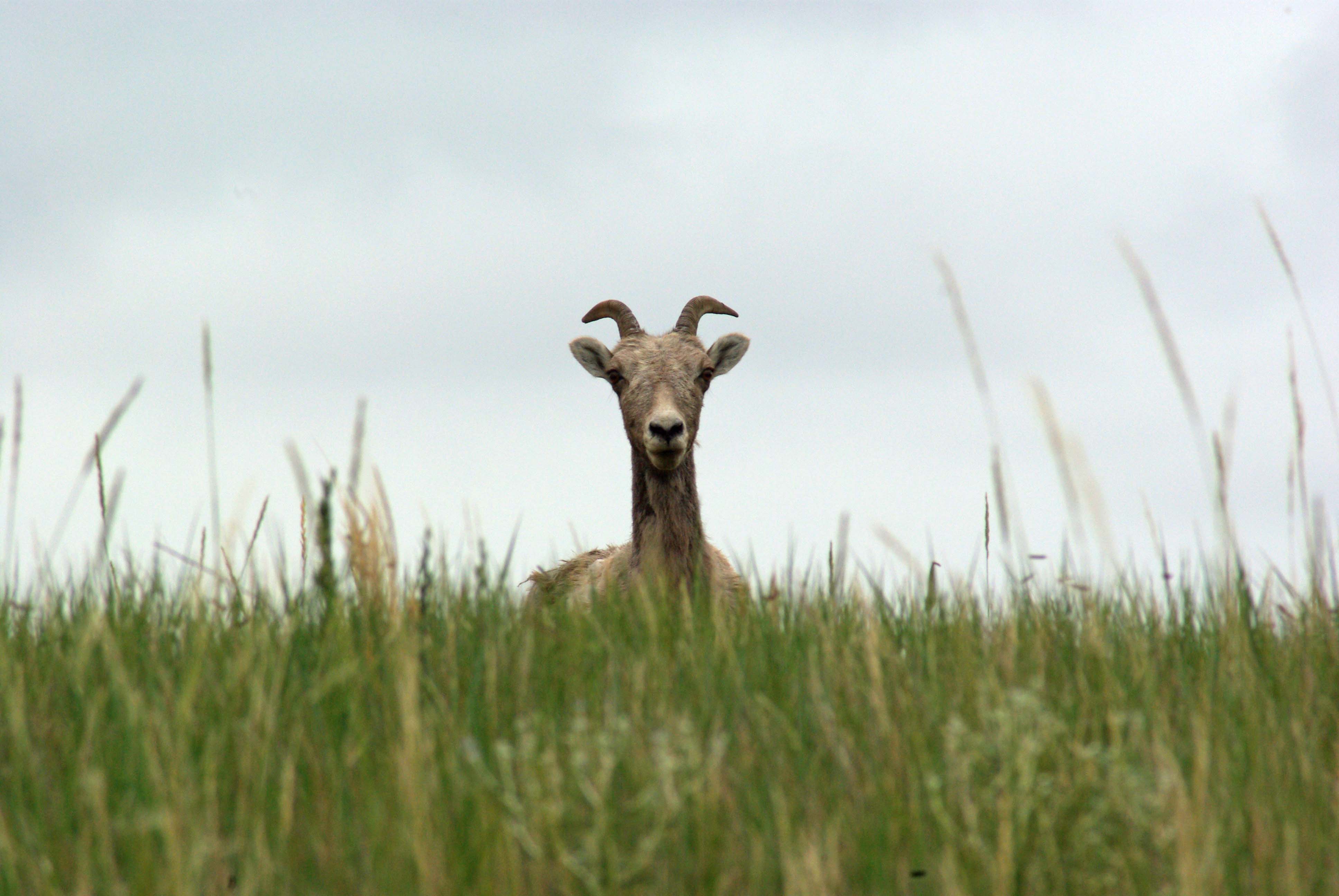
Bighorn Sheep
Bighorn sheep live in a variety of habitats throughout the year. During the summer, they can be found in meadows, fellfields, and on mid-elevation slopes bordered by cliffs and ledges. In the winter, sheep frequent windswept and south-facing valleys and ridges where forage is blown free of snow. Bighorn sheep can often be seen in the parking lot of Logan Pass licking antifreeze from the pavement, which is the most easily accessible source of salt in their diet.
Getting There
Address: 64 Grinnell Drive West Glacier MT 59936
Glacier National Park is located in the northwest corner of Montana along the spine of the Rocky Mountains. By car you can access Glacier via Highway 2, which runs along the southern boundary of the park. You can reach the east side of the park via Highway 89. The nearest airports are in Kalispell and Great Falls, Montana.
Get driving directions → Official NPS directions →Where to Stay – Campgrounds
Kintla Lake Campground
13 sites · $25/night
Kintla Lake Campground is Glacier National Park's most remote frontcountry and car camping campground. It is located in the uppermost northwest section of the …
Logging Creek Campground
7 sites · $15/night
The Logging Creek Campground is one of the smaller campgrounds in Glacier and is located on the west side of the park, south of Polebridge. Access is via the I…
Quartz Creek Campground
7 sites · $15/night
Quartz Creek Campground is the smallest campground in Glacier National Park and remains in primitive status all season. It is located on the west side of the p…
Rising Sun Campground
84 sites · $30/night
Rising Sun Campground is located just west of St. Mary and halfway along St. Mary Lake. Campers at Rising Sun will enjoy beautiful sunrises in the morning with…
Many Glacier Campground
109 sites · $30/night
The campground at Many Glacier is one of the most popular campgrounds in Glacier National Park. The campground is situated within trees for tent and RV campers…
Sprague Creek Campground
25 sites · $30/night
Sprague Creek is a small campground located on the northeast shore of Lake McDonald, just off Going-to-the-Sun Road. Towed units (vehicle plus unit) and RVs ex…
Frequently Asked Questions
How much does it cost to enter Glacier National Park?
The entrance fee for Glacier National Park is $35. See Plan Your Visit above for vehicle, per-person, and annual-pass rates.
Do I need a reservation or permit to visit Glacier National Park?
Some entry windows or activities at Glacier National Park require a reservation or permit. Check the Current Park Alerts and Things to Do sections above, and confirm on the official NPS site before you go.
When is Glacier National Park open?
Glacier National Park is open 24 hours a day 365 days of the year. An entrance fee is required, even when entrance stations are not staffed. Instructions are available at each entrance for self-payment.
What are the best things to do in Glacier National Park?
Popular things to do in Glacier National Park include Beavers, Wolverines, Mountain Goats, Listen to Glacier's Podcast. See Things to Do above for photos and details.
Are there campgrounds in Glacier National Park?
Yes — Glacier National Park has 13 campgrounds, including Kintla Lake Campground, Logging Creek Campground, Quartz Creek Campground. See Campgrounds above for site counts, fees, and booking links.