
Death Valley is a place of extremes - the hottest, driest, and lowest place on the continent and western hemisphere. But each extreme has many contrasts, where you'll be able to see snow-capped mountains in the winter and fields of expansive wildflowers in the spring. Even though its name spells Death, plenty of live abounds here.
Current Park Alerts
Live from the National Park Service · Official park site →
Plan Your Visit
Hours & Season
The park is open daily all year.
Entrance Fees
- $30 – Entrance - Private Vehicle
- $25 – Entrance - Motorcycle
- $15 – Entrance - Per Person
- $0 – Entrance - Education/Academic Groups
Weather
SPRING is the most popular time to visit Death Valley. Warm and sunny days with the possibility of spring wildflowers is a big attraction. SUMMER starts early in Death Valley. By May the valley can be scorching hot. AUTUMN arrives in late October, with warm but pleasant temperatures and generally clear skies. WINTER has cool days, chilly nights and rarely, rainstorms. With snow capping the high peaks and low angled winter light, this season is especially beautiful for exploring the valley.
Things to Do
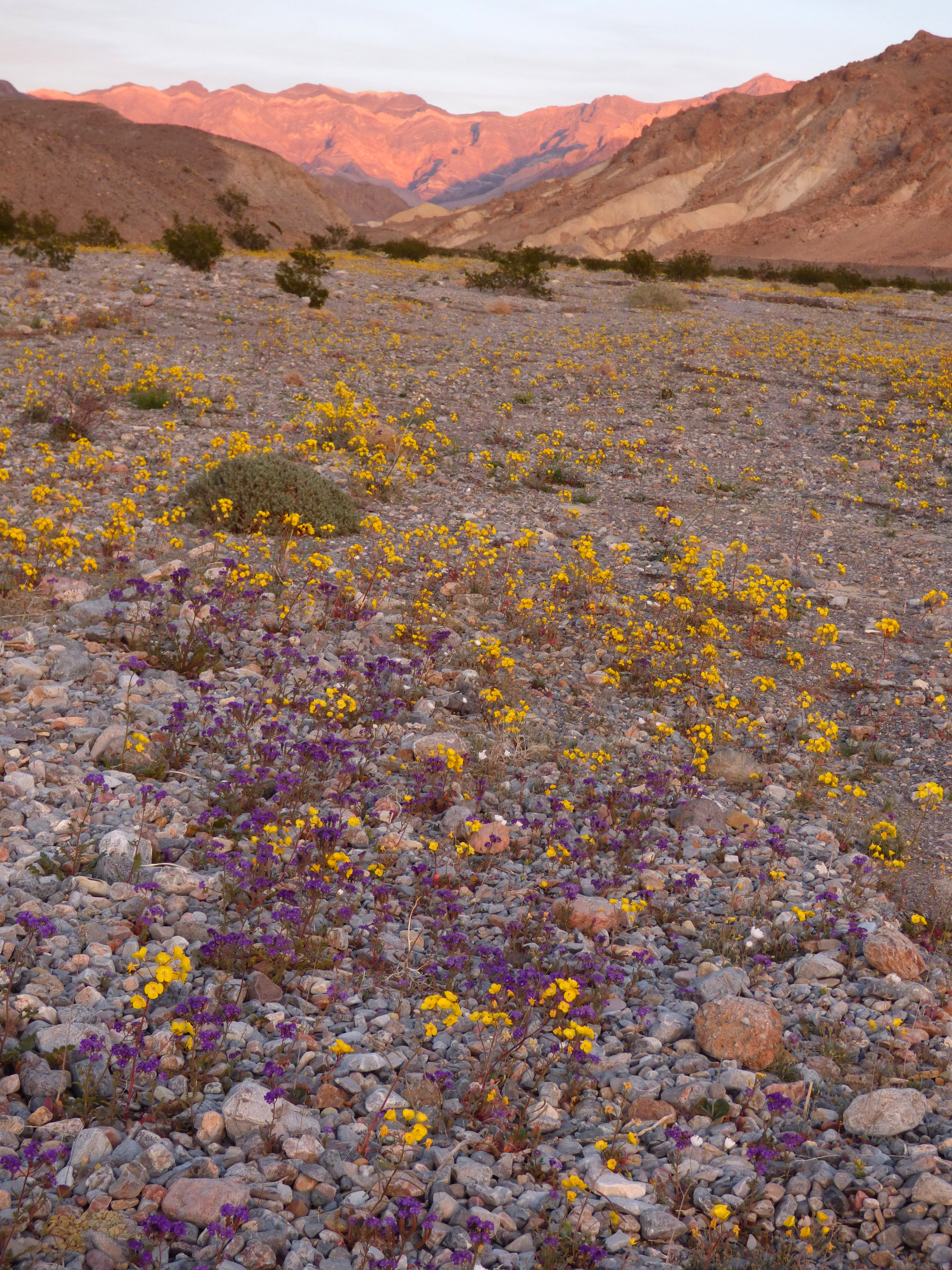
Explore Wildflowers in Death Valley
Learn about the different flowers you might be able to see in Death Valley during spring months.
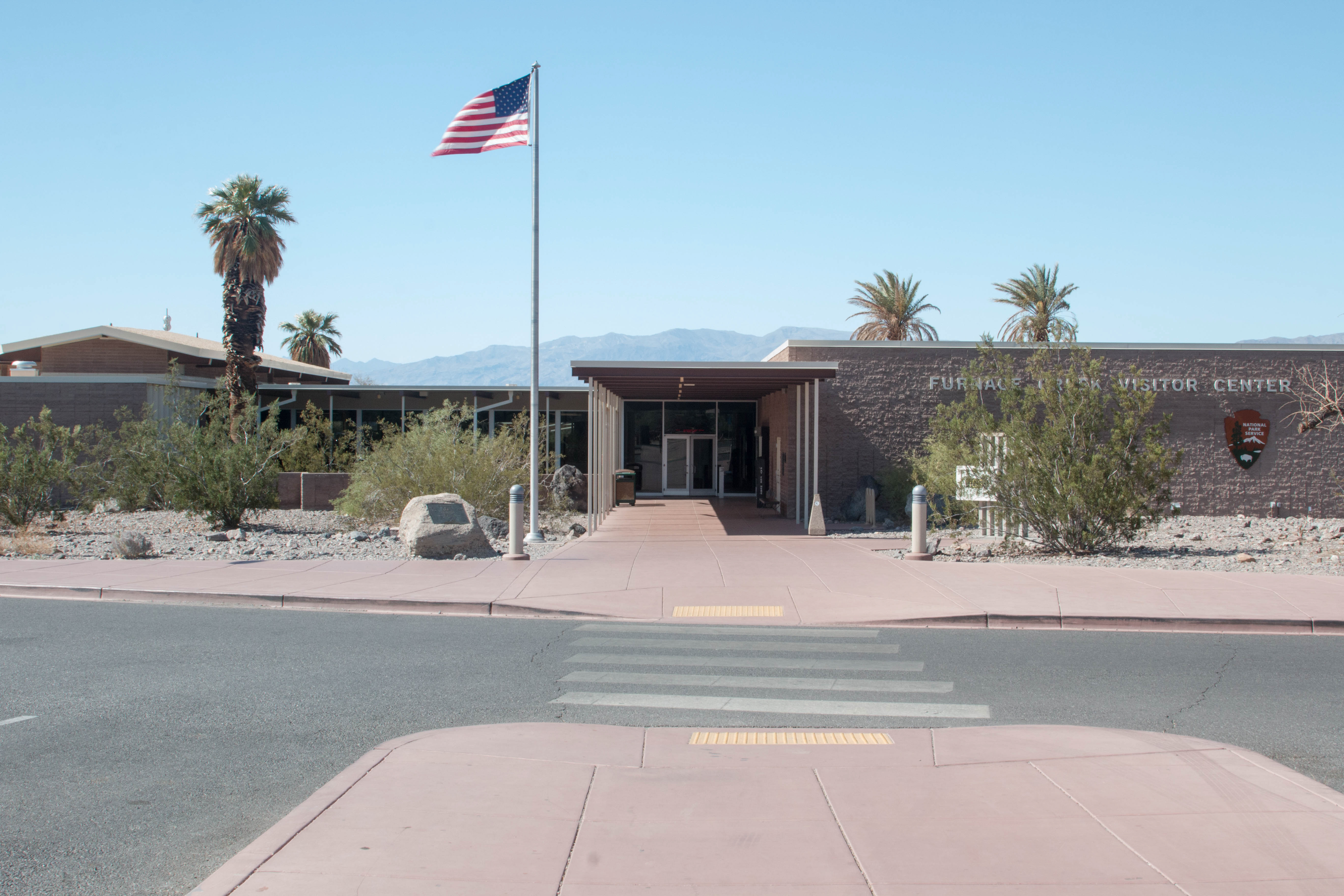
Visit the Furnace Creek Visitor Center
Stop by the visitor center to speak with park rangers and pay park fees and purchase national park passes. View the exhibits about Death Valley's history and natural wonders. Watch the park film, which is 20 minutes in length and plays throughout the day. Shop at the bookstore - light snacks/sandwiches/water are available for purchase. Become a Junior Ranger! Complete the activities in the booklet and earn a badge.
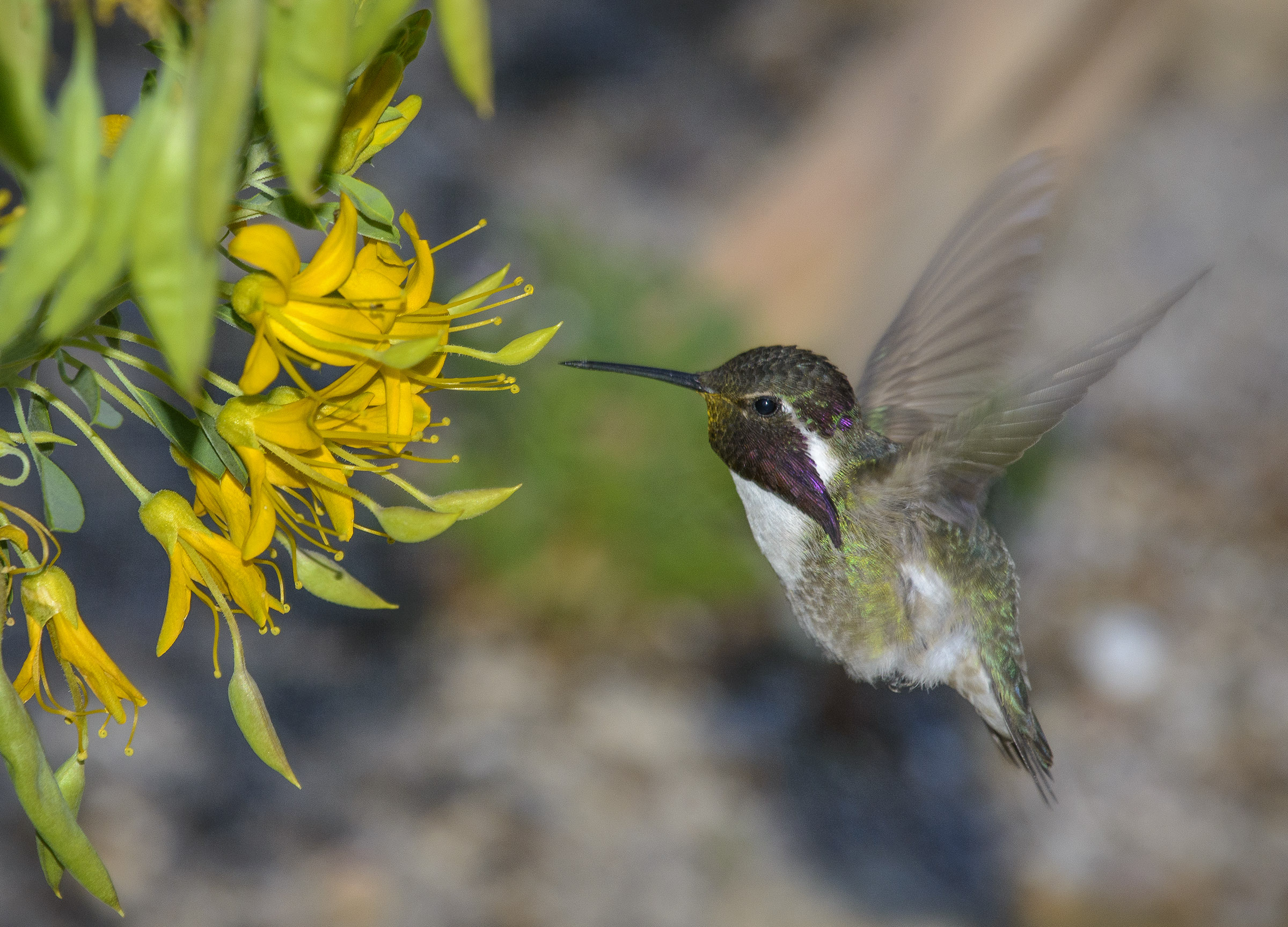
Bird Watching
Roadrunners and ravens and hummingbirds- oh my! With many resident and migratory species, bird watching opportunities abound in Death Valley.
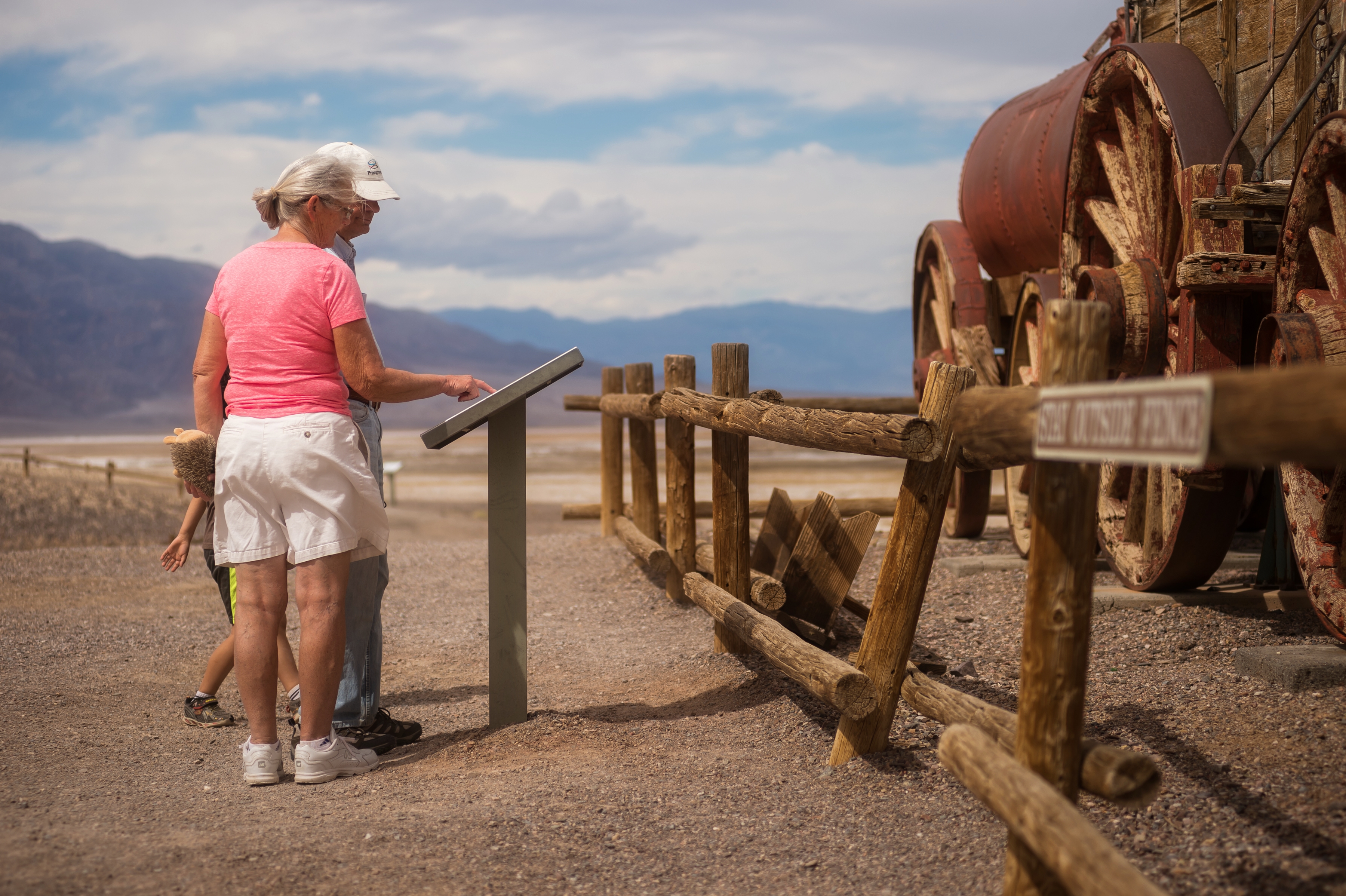
Harmony Borax Works Self Guided Walk
Harmony Borax Works was instrumental in drawing people to Death Valley in the late 1800s and in the subsequent popularity of the Furnace Creek area. The 1/4 mi (0.4 km) paved walking path at this site takes visitors back in time by exploring the ruins of the plant and associated townsite and an original twenty mule team wagon.
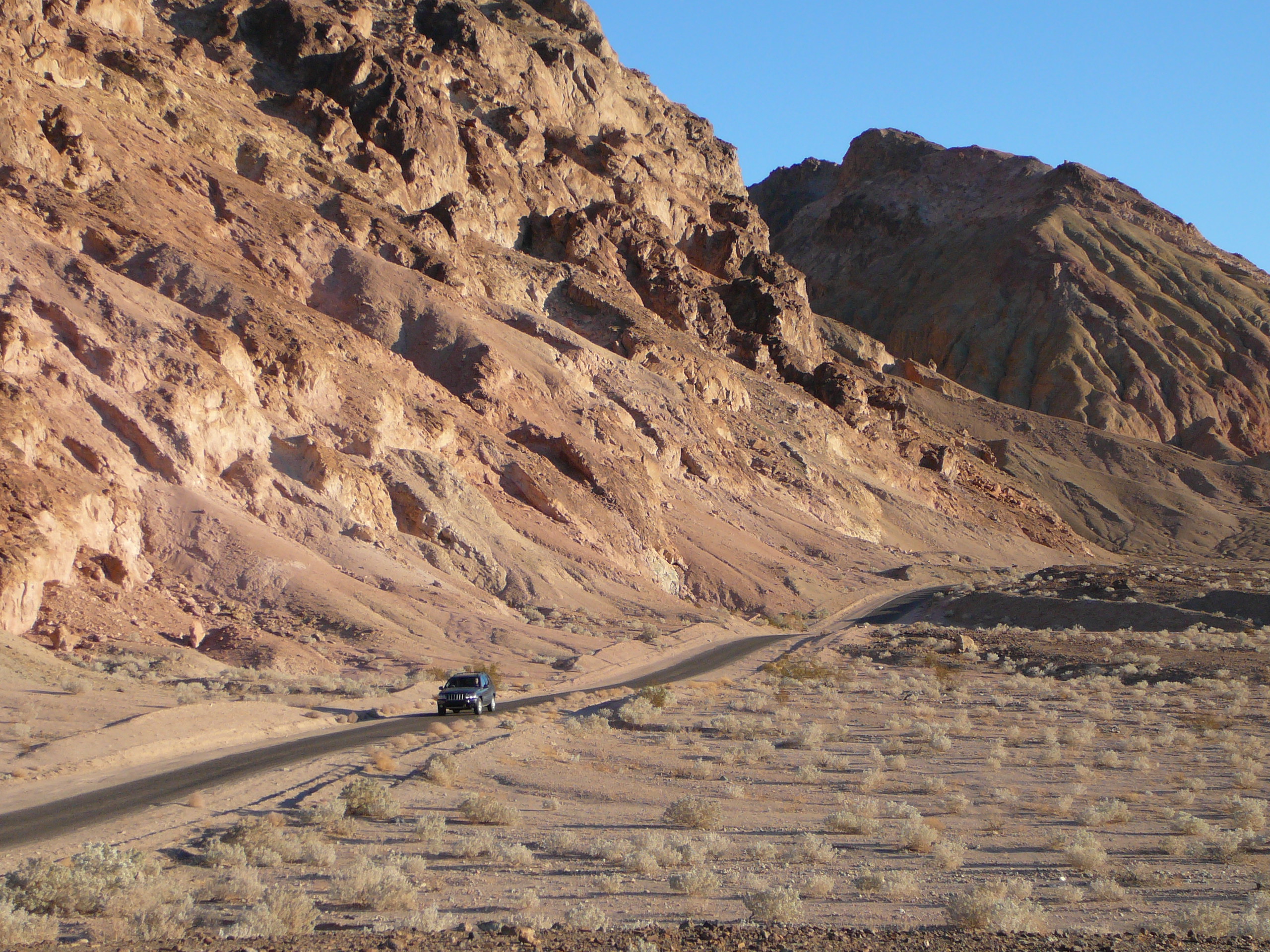
Tour Artists Drive
Enjoy a scenic drive through a geologic rainbow! Artists Drive is a one-way, nine mile (14.5 km) drive which passes through eroded, colorful desert hills. Artists Palette (a viewpoint) has the most colorful scenery along the road.
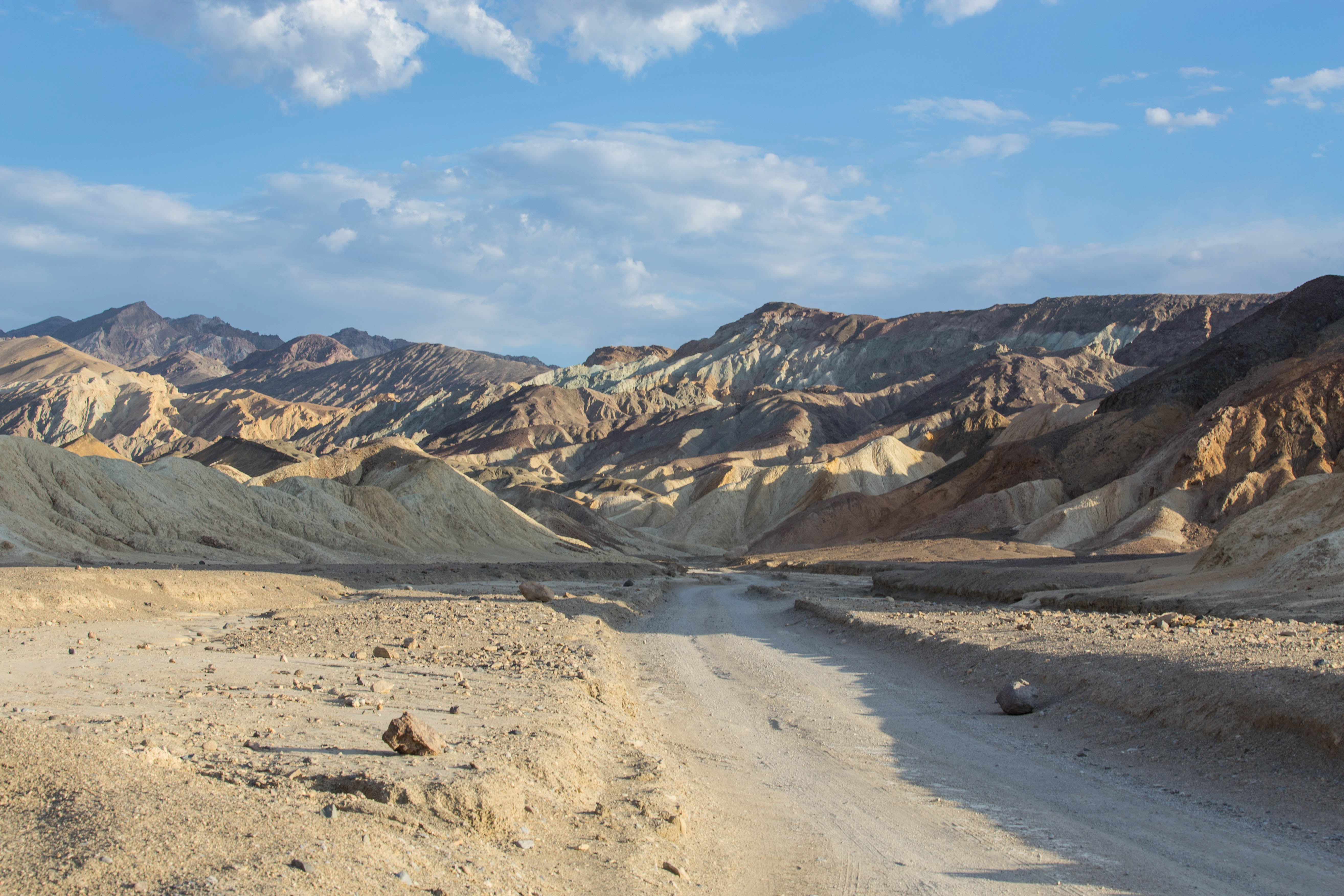
Getting There
Address: PO Box 579 Death Valley CA 92328
There are multiple entrances to the park. Click below to learn the best ways to travel to Death Valley.
Get driving directions → Official NPS directions →Where to Stay – Campgrounds
Wildrose Campground
23 sites · Free
***No Potable Water Available in the Wildrose Area. Closest available water ~31 miles north at Stovepipe Wells, CA. First-come, first-served campground with no…
Sunset Campground
230 sites · $18/night
***Scheduled to open mid to late November 2026. Check our Alerts and Conditions page for up-to-date information. Open seasonally, typically late fall through m…
Stovepipe Wells Campground
190 sites · $18/night
***Scheduled to open late October 2026. Check our Alerts and Conditions page for up-to-date information. Open seasonally, typically late fall through mid-to-la…
Texas Springs Campground
106 sites · $20/night
***Scheduled to open mid to late November 2026. Check our Alerts and Conditions page for up-to-date information. Typically open seasonally, late fall through m…
Furnace Creek Campground
136 sites · $30/night
Furnace Creek Campground, near the Visitor Center at 190ft below sea level, is the only NPS campground in the park that accepts reservations. It offers full RV…
Emigrant Campground
10 sites · Free
The campground, water system, and restrooms at Emigrant have been closed since late August 2025 due to flood damage. The damage to the 5-mile-long water pipe a…
Frequently Asked Questions
How much does it cost to enter Death Valley National Park?
The entrance fee for Death Valley National Park is $30. See Plan Your Visit above for vehicle, per-person, and annual-pass rates.
When is Death Valley National Park open?
The park is open daily all year.
What are the best things to do in Death Valley National Park?
Popular things to do in Death Valley National Park include Explore Wildflowers in Death Valley, Visit the Furnace Creek Visitor Center, Bird Watching, Harmony Borax Works Self Guided Walk. See Things to Do above for photos and details.
Are there campgrounds in Death Valley National Park?
Yes — Death Valley National Park has 12 campgrounds, including Wildrose Campground, Sunset Campground, Stovepipe Wells Campground. See Campgrounds above for site counts, fees, and booking links.