
Even though you may see downtown Miami from the island, you'll still feel a world away. Biscayne protects an environment full of aquamarine water, deep green islands, and coral reefs that are bejeweled with exotic fish. You'll learn about over 10,000 years of history from pirates and shipwrecks to pineapple farmers and presidents here. Those interested in activities here can enjoy boating, snorkeling, camping, wildlife watching, or relaxing while overlooking the bay.
Current Park Alerts
Live from the National Park Service · Official park site →
Plan Your Visit
Hours & Season
Launch your own canoe or kayak from the ramp near the parking area, enjoy a picnic on the lawn, or stroll along the jetty trail.
Weather
The park is situated in a subtropical climate, which ensures sunshine year-round. Winters are normally dry and mild, with occasional fronts bringing wind and little rain. Summer brings hot and humid weather with scattered thunderstorms in the afternoons. The average temperature in January is 68 degrees Fahrenheit and 82 in July. The average rainfall for the area is 2.17 inches in January and 3.95 inches in July. June to November is hurricane season.
Things to Do
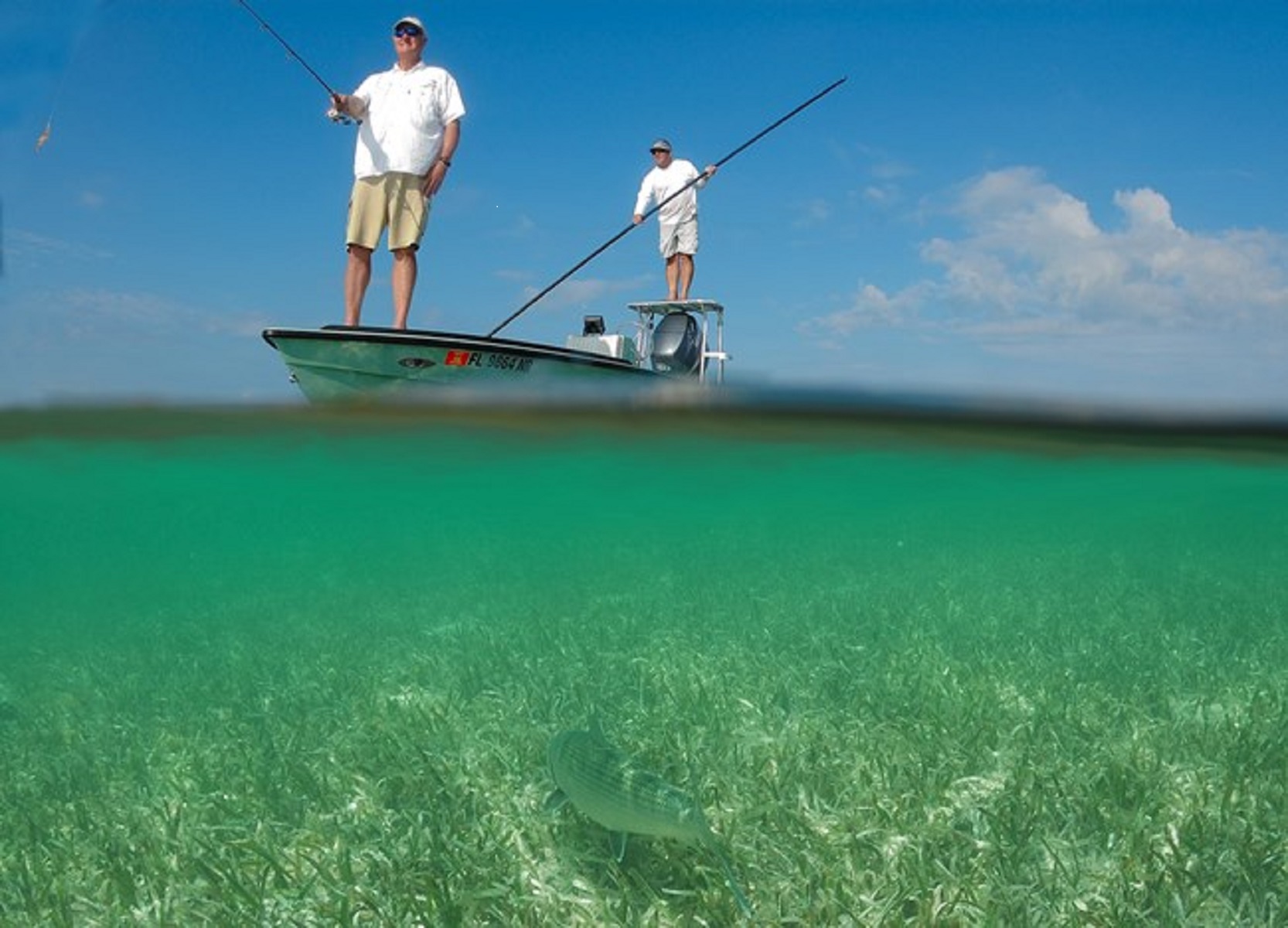
Fishing in Biscayne National Park
Biscayne National Park preserves unique marine habitat and nursery environments that sustain diverse native fishery resources and support world-class fishing for spiny lobster, snapper, grouper, tarpon and bonefish.
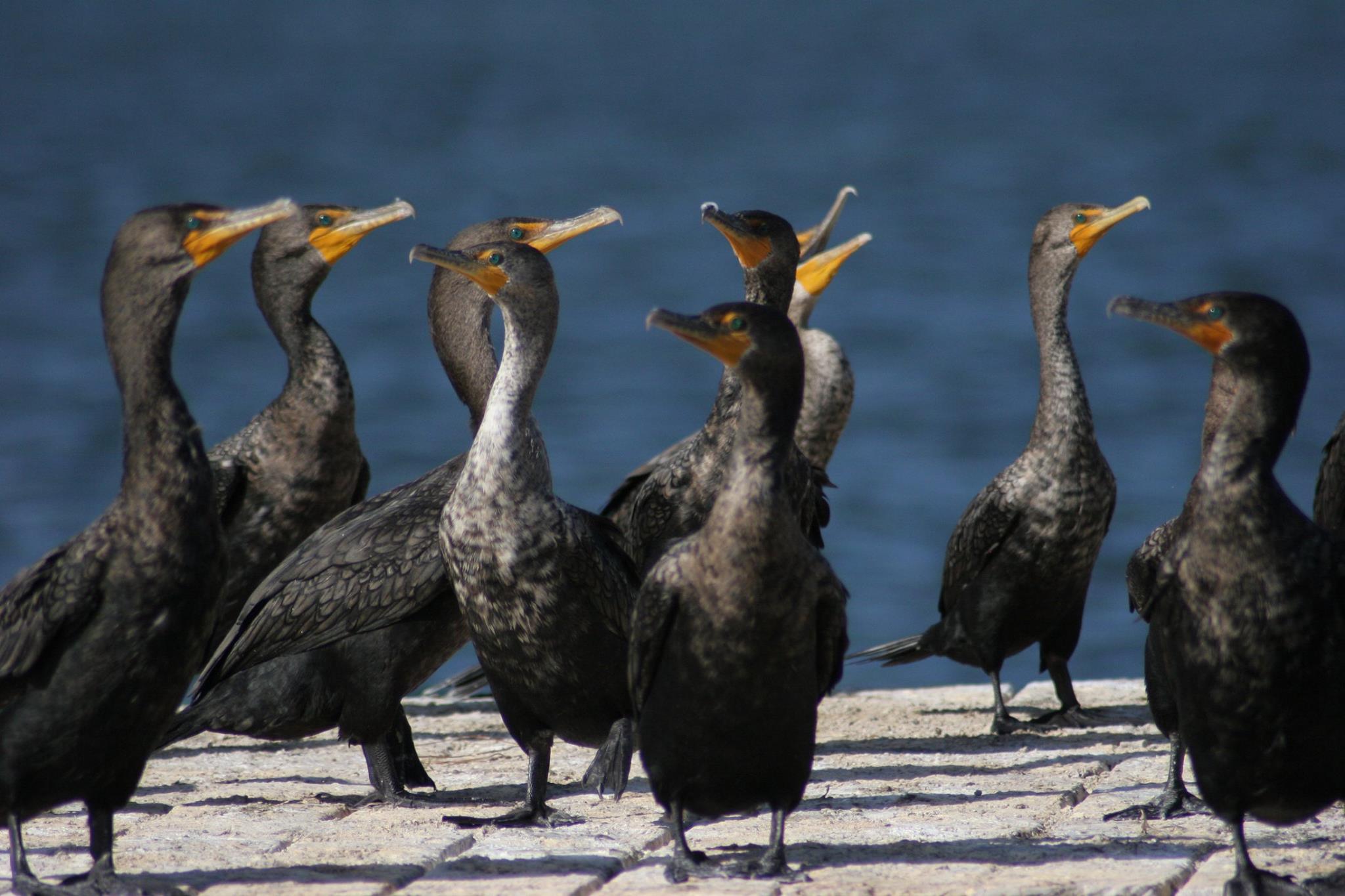
Birding at Boca Chita
Along with incredible array of marine life, Biscayne National Park is also home to significant populations of birds including protected species. Natural habitats for migratory stopover, feeding, and nesting make the park a wonderful place to watch and enjoy birds particularly in the winter months.
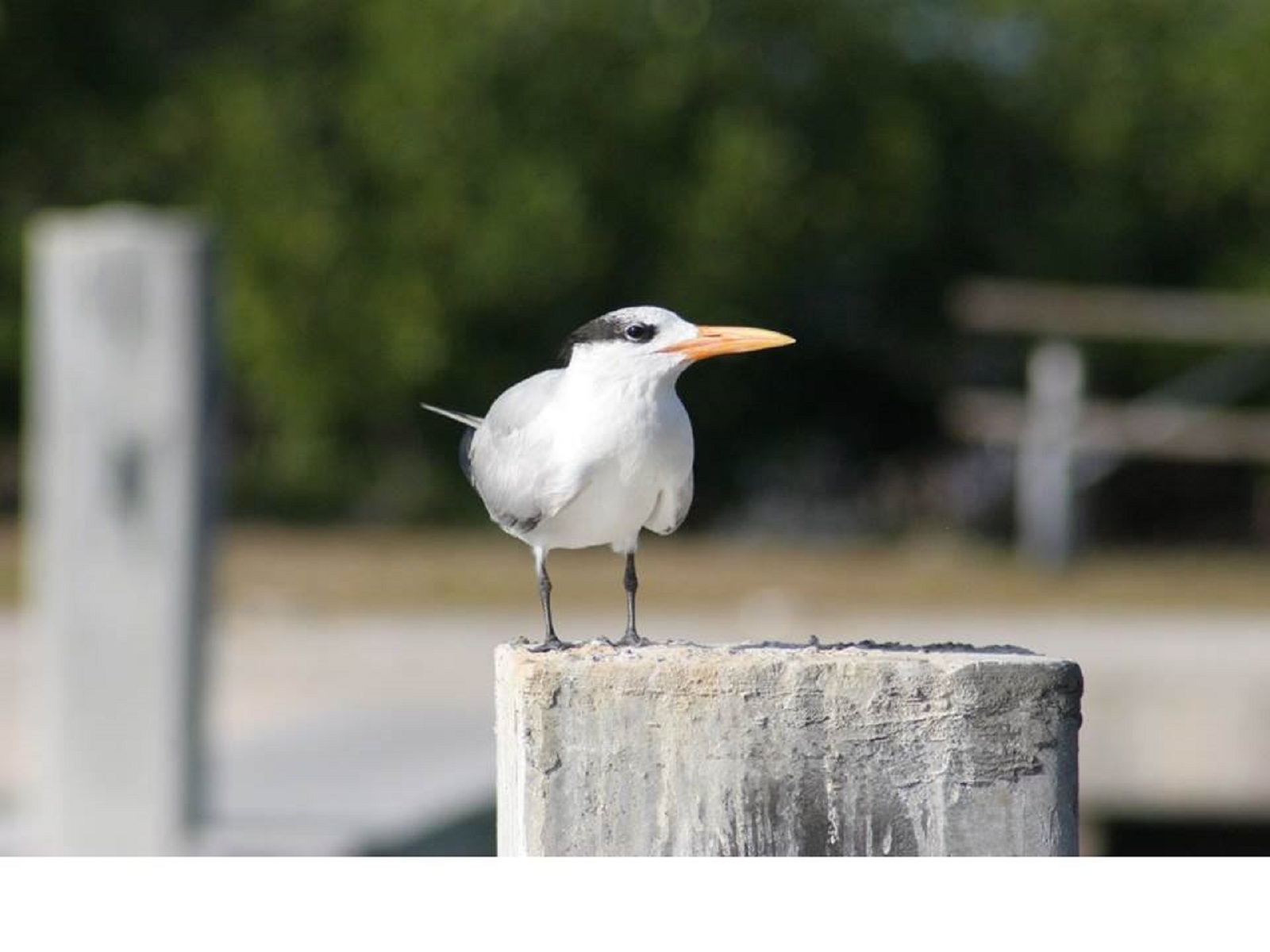
Birding at Elliott Key
Along with incredible array of marine life, Biscayne National Park is also home to significant populations of birds including protected species. Natural habitats for migratory stopover, feeding, and nesting make the park a wonderful place to watch and enjoy birds particularly in the winter months.
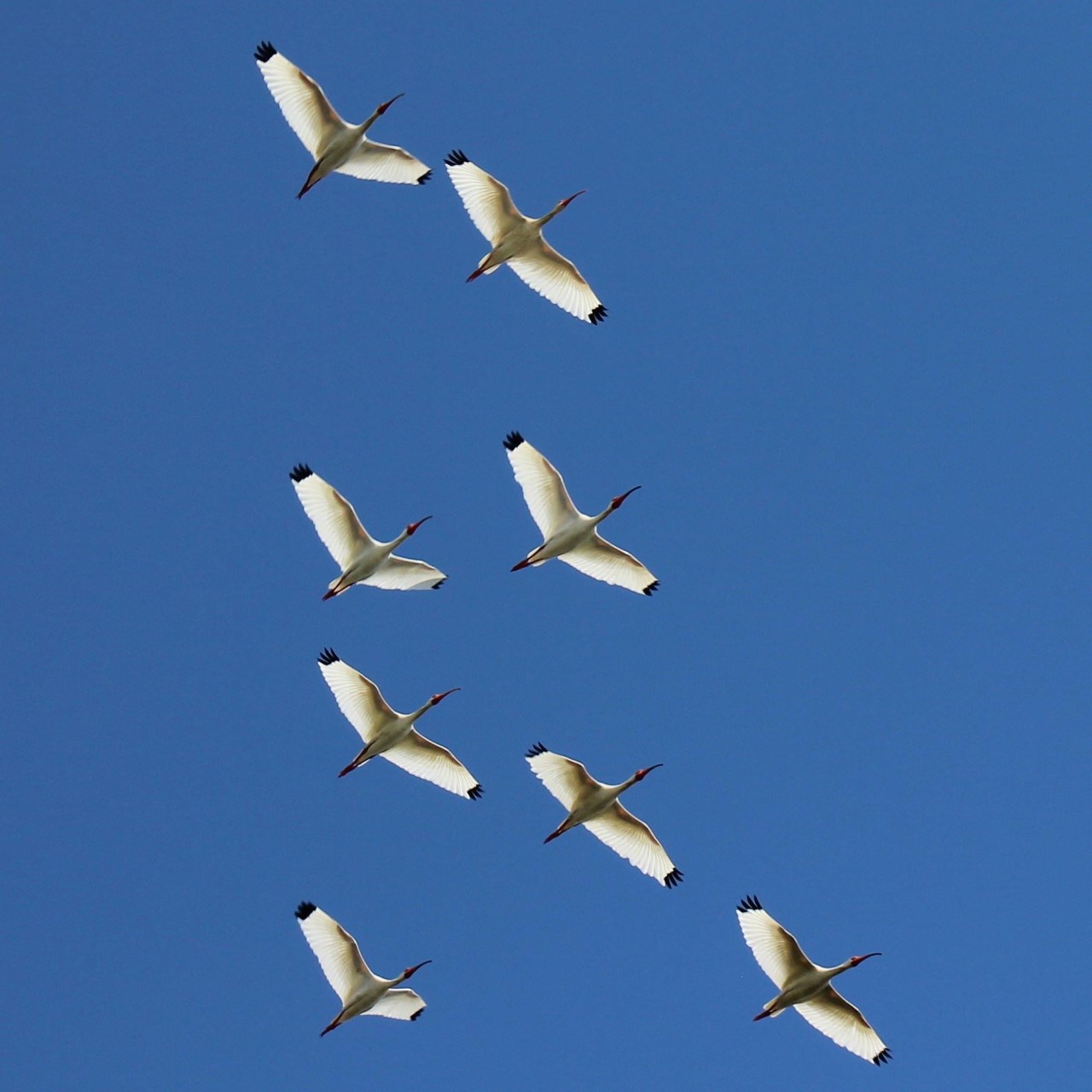
Birding at Convoy Point
Along with incredible array of marine life, Biscayne National Park is also home to significant populations of birds including protected species. Natural habitats for migratory stopover, feeding, and nesting make the park a wonderful place to watch and enjoy birds particularly in the winter months.
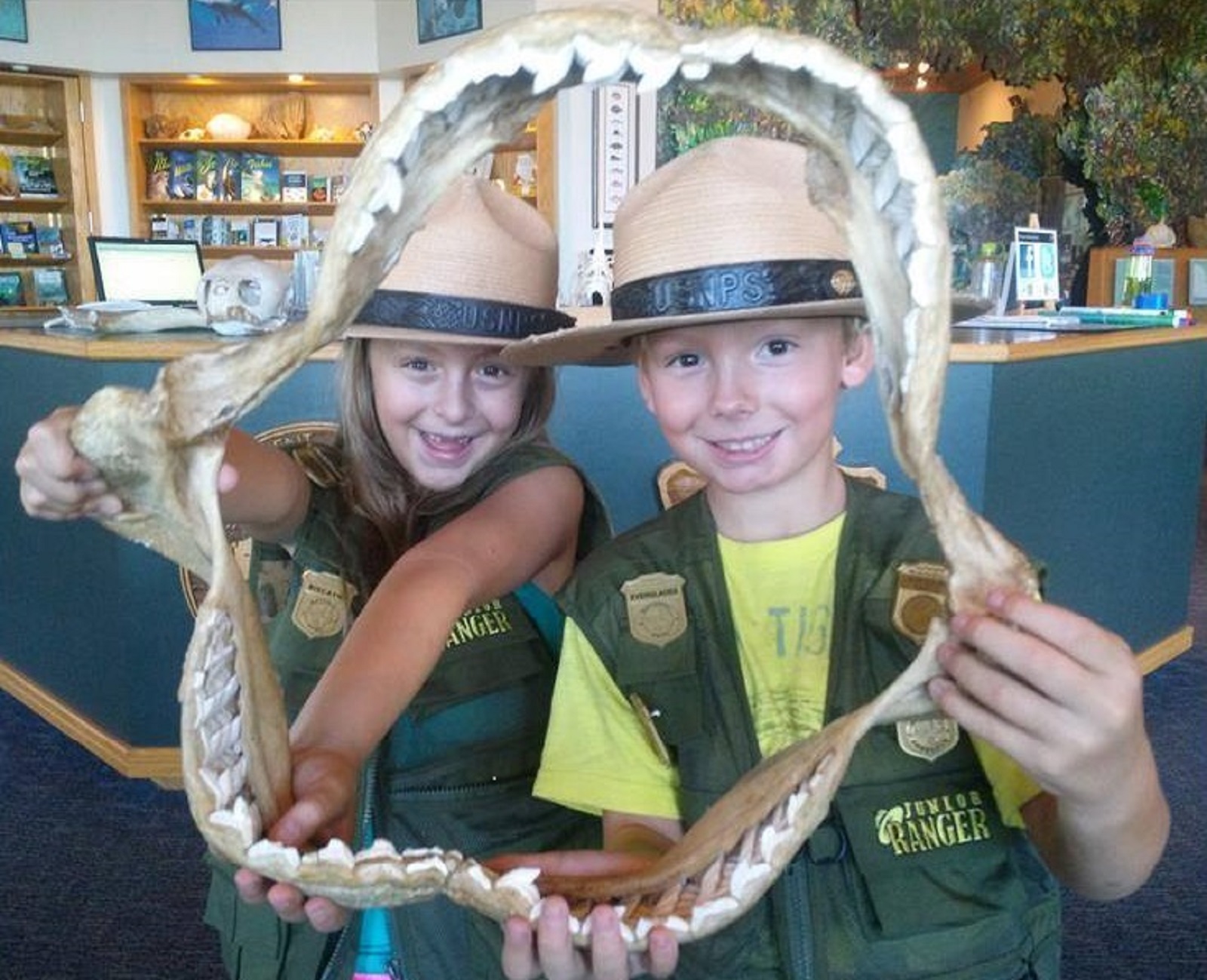
Become a Biscayne Junior Ranger
Join Diego the dolphin, Peter the panther and Aleesha the alligator in exploring three South Florida parks (Big Cypress National Preserve, and Biscayne and Everglades National Park). Pick up a booklet at the park visitor center and complete the required activities to earn a badge. Complete the entire book and earn three badges plus an exclusive South Florida junior ranger patch!
Getting There
Address: 9700 SW 328th Street Homestead FL 33033
The Dante Fascell Visitor Center may be reached from the Florida Turnpike by taking Exit 6 (Speedway Boulevard). Turn left from exit ramp and continue south to SW 328th Street (North Canal Drive). Turn left on 328th Street and continue for four miles to the end of the road. The park entrance is on the left just before the entrance to Homestead Bayfront Marina.
Get driving directions → Official NPS directions →Where to Stay – Campgrounds
Boca Chita Campground
60 sites · $35/night
Boca Chita campground is located on an island. The only access is by boat. No services are available. Boca Chita Key features an iconic lighthouse and an open,…
Elliott Key Campground
20 sites · $35/night
Elliott Key campground is located on an island. The only access is by boat. Elliott Key features waterside and partially forested camping areas, picnic tables,…
Frequently Asked Questions
When is Biscayne National Park open?
Launch your own canoe or kayak from the ramp near the parking area, enjoy a picnic on the lawn, or stroll along the jetty trail.
What are the best things to do in Biscayne National Park?
Popular things to do in Biscayne National Park include Fishing in Biscayne National Park, Birding at Boca Chita, Birding at Elliott Key, Birding at Convoy Point. See Things to Do above for photos and details.
Are there campgrounds in Biscayne National Park?
Yes — Biscayne National Park has 2 campgrounds, including Boca Chita Campground, Elliott Key Campground. See Campgrounds above for site counts, fees, and booking links.